Software Compatibility: Ensuring Your Systems Talk to Each Other
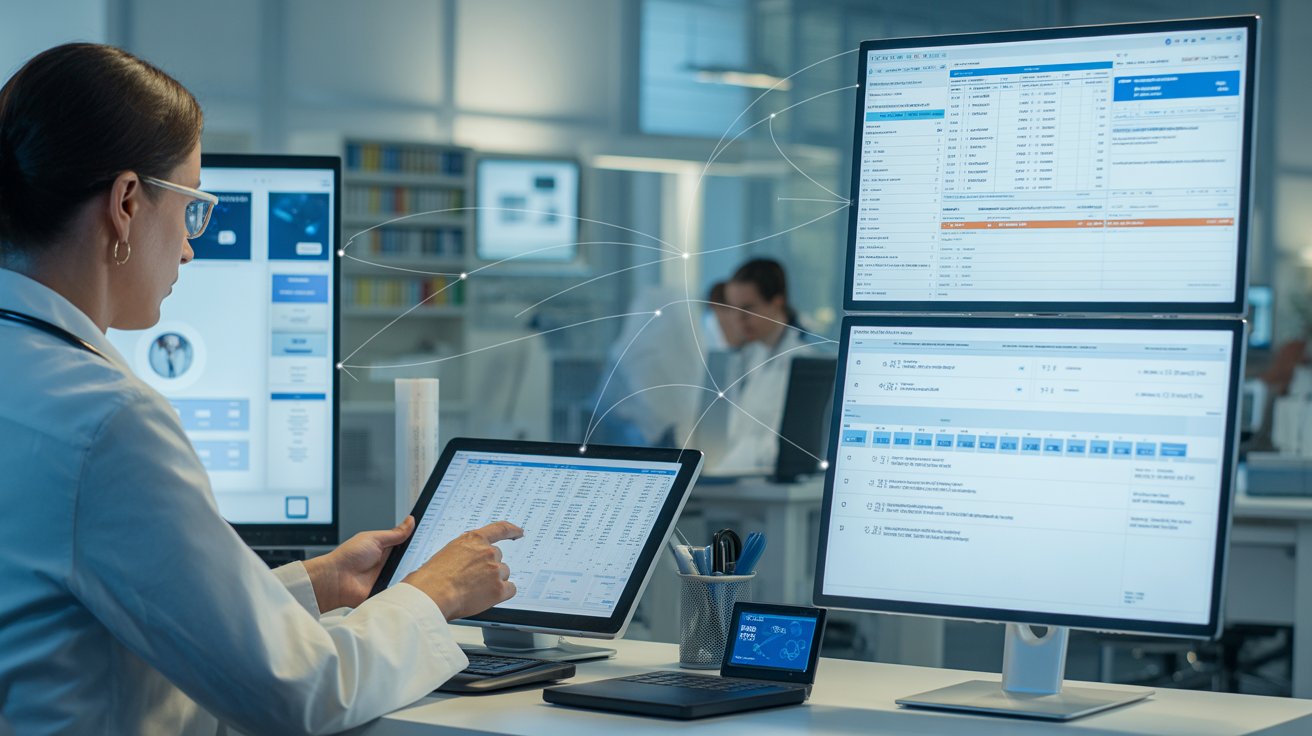
Healthcare organizations depend on multiple software systems working together seamlessly. Electronic health records, billing platforms, scheduling tools, telehealth applications, laboratory interfaces, imaging systems, and accounting software all play critical roles in daily operations. When these systems communicate effectively, workflow feels smooth and coordinated. When they do not, inefficiencies multiply quickly.
Software compatibility is not merely a technical concern. It directly impacts patient care, documentation accuracy, reimbursement speed, compliance protection, and staff productivity.
Incompatible systems create hidden bottlenecks that frustrate teams and compromise performance.
Ensuring that your software systems talk to each other is essential for operational stability and long term growth.
Why Software Compatibility Matters
Modern healthcare organizations operate within complex digital ecosystems composed of multiple interconnected platforms. Electronic health records, billing systems, scheduling tools, laboratory interfaces, imaging software, telehealth applications, and financial management platforms must work together seamlessly for daily operations to run smoothly. When compatibility exists between these systems, patient care flows efficiently and documentation accuracy remains consistent. When compatibility is lacking, even minor misalignments create cascading disruptions that affect workflow, compliance, revenue, and staff morale. Software compatibility is not a secondary technical concern. It directly influences operational performance and patient experience.
Clinics depend on accurate and timely information exchange. Integrated Electronic Health Records systems must communicate effortlessly with scheduling and billing tools to ensure data consistency across the patient journey. If information cannot transfer automatically between systems, staff are forced to duplicate data entry, increasing the likelihood of human error. These small inefficiencies accumulate throughout the day, slowing care delivery and increasing administrative burden.
The Cost of Disconnected Systems
Disconnected systems quietly drain productivity and financial performance. When clinical documentation platforms fail to synchronize with billing software, staff must manually re enter codes and patient details. Structured Revenue Cycle Management and Medical Billing Services rely on accurate, automated data flow to maintain timely reimbursement cycles. If documentation does not transfer properly, claims may be delayed or rejected, requiring additional administrative correction.
Beyond revenue delays, manual processes introduce inconsistencies in patient records. Duplicate entries may appear, demographic information may conflict across platforms, and documentation gaps may surface during audits. Over time, these discrepancies create confusion and compliance exposure. Disconnected systems often appear manageable at first, but their cumulative cost becomes significant as operational complexity increases.
Identifying Compatibility Gaps
Compatibility problems frequently manifest as subtle warning signs rather than obvious system failures. Clinics may observe repeated duplicate patient profiles appearing in multiple databases or inconsistencies between scheduled services and documented encounters. Laboratory or imaging results may require manual uploading instead of automatic integration into clinical records. Proactive Denial Management solutions often uncover recurring documentation discrepancies tied to system misalignment.
When staff regularly rely on spreadsheets to reconcile information between platforms, compatibility gaps likely exist. Manual workarounds signal that integration is incomplete. Identifying these gaps requires careful evaluation of how data flows from one system to another throughout the patient care cycle.
Clinical Workflow Disruptions
Clinical efficiency depends on immediate access to comprehensive patient information. When systems fail to integrate properly, providers must navigate multiple interfaces to gather complete records. If telehealth documentation does not automatically populate within core records, clinicians may struggle to track continuity of care. Services delivered through structured Telehealth Services require secure and synchronized communication between platforms to maintain documentation accuracy.
Fragmented systems increase cognitive load for providers. Instead of focusing entirely on patient interaction, clinicians spend additional time verifying information across separate platforms. These interruptions reduce productivity and may extend appointment times. Compatibility strengthens workflow fluidity and allows providers to dedicate attention to clinical decision making.
Financial Workflow Consequences
Financial processes rely heavily on synchronized technology. Billing accuracy depends on seamless data transfer from clinical documentation to claims submission platforms. Accurate Charge Capture processes require automated integration between service documentation and billing systems. When compatibility fails, incomplete or incorrect claims increase denial rates and delay reimbursement.
Inconsistent financial reporting may also result from disconnected systems. Revenue tracking becomes less reliable, making forecasting more difficult. Administrative teams must spend additional time reconciling discrepancies. Financial stability depends on integration that supports efficient, accurate data exchange throughout the revenue cycle.
Cybersecurity and Compliance Risks
Software compatibility also influences security posture and regulatory compliance. Healthcare organizations manage sensitive patient data, and fragmented systems create multiple points of vulnerability. If authentication protocols differ across platforms, access control becomes inconsistent. Integrated environments allow centralized management of permissions and audit logs, reducing exposure.
Financial systems such as structured Accounts Payable management platforms must align securely with clinical documentation tools to maintain comprehensive oversight. Incompatible systems may generate inconsistent audit trails, increasing compliance risk during regulatory reviews. Compatibility strengthens both operational efficiency and data protection.
The Role of APIs and Interoperability Standards
Interoperability standards enable software systems to communicate effectively. Modern healthcare platforms frequently use standardized frameworks to facilitate secure data exchange. However, vendor implementation varies significantly. Some platforms offer robust integration capabilities, while others require extensive customization to achieve compatibility.
Before adopting new systems, clinics should evaluate integration features carefully. Structured Healthcare Project Management solutions can coordinate technical assessments and ensure that vendor claims regarding interoperability are validated prior to implementation. Choosing systems designed for integration reduces long term operational friction and supports scalability.
Avoiding Vendor Silos
Vendor silos occur when individual platforms function independently without coordinated integration. Although each system may perform its primary function effectively, lack of communication between platforms forces staff to bridge information gaps manually. Clearly defined organizational differentiators often highlight coordinated care delivery and streamlined operations, both of which depend on unified technology ecosystems.
Avoiding silos requires strategic vendor selection and continuous monitoring of integration performance. Unified systems reduce redundancy, improve documentation consistency, and enhance patient experience by presenting a cohesive digital infrastructure.
Conducting a Compatibility Assessment
A comprehensive compatibility assessment examines data exchange pathways across all major platforms. Evaluators review how patient information flows from scheduling to clinical documentation to billing and reporting systems. Manual workarounds, duplicate entry points, and reporting inconsistencies are identified and prioritized.
This assessment provides clarity regarding which integration points require immediate attention and which may be addressed through phased improvements. Compatibility evaluation ensures that corrections are targeted rather than speculative. Diagnosis enables efficient resolution and long term optimization.
Strategies for Improving Compatibility
Improving compatibility often involves a combination of software updates, vendor collaboration, and workflow refinement. Upgrading outdated platforms may unlock modern integration features. Consolidating redundant tools simplifies data exchange pathways. Middleware solutions can bridge communication gaps between systems when direct integration is not feasible.
Standardizing documentation templates ensures consistency across departments. Vendor support teams can assist in optimizing interface configurations. Compatibility improvements should be approached strategically, with attention to both immediate operational gains and future scalability. Integration is an ongoing initiative that evolves alongside technological advancements.
Staff Training and Change Management
Even fully compatible systems require proper user engagement. Staff must understand how data flows between platforms to maintain consistency. Training reinforces standardized documentation practices and reduces accidental duplication of records.
Clear communication regarding workflow expectations supports integration success. When employees recognize how their actions influence system synchronization, compliance improves. Compatibility is strengthened not only through technical alignment but also through consistent human processes.
Measuring the Impact of Improved Compatibility
After implementing compatibility improvements, clinics should track measurable performance indicators. Reduced claim denial rates, faster reimbursement cycles, fewer duplicate records, and improved reporting accuracy demonstrate operational progress. Staff feedback regarding system usability provides additional insight into integration effectiveness.
Monitoring these outcomes ensures that compatibility investments yield tangible benefits. Continuous evaluation reinforces accountability and identifies opportunities for further optimization.
Planning Future Technology Investments
Future technology decisions should prioritize interoperability from the outset. Before adopting new platforms or expanding service lines, leadership must confirm that proposed systems integrate seamlessly with existing infrastructure. Scalability depends on maintaining a cohesive digital ecosystem.
Technology expansion should strengthen operational alignment rather than introduce fragmentation. Strategic evaluation prevents accumulation of disconnected tools that create unnecessary complexity.
Long Term Benefits of Integrated Systems
Fully integrated systems create operational clarity and resilience. Providers access complete patient information without navigating multiple platforms. Billing teams process claims efficiently with consistent documentation. Leadership relies on accurate reports for informed decision making.
Compatibility transforms technology from a potential obstacle into a strategic asset. Integrated systems support expansion, innovation, and long term sustainability.
Final Thoughts
Software compatibility is fundamental to healthcare performance. Disconnected systems slow workflow, increase denial rates, create compliance risk, and diminish staff satisfaction. Ensuring that platforms communicate effectively protects efficiency and strengthens patient care delivery.
Compatibility requires proactive assessment, strategic vendor selection, structured integration, and ongoing monitoring. When systems operate cohesively, workflow accelerates and documentation accuracy improves. When integration is neglected, operational friction grows silently until it disrupts care.
Healthcare organizations that prioritize compatibility position themselves for sustainable growth and technological resilience. In today’s digital environment, ensuring your systems talk to each other is not optional. It is essential for protecting revenue, safeguarding compliance, enhancing efficiency, and delivering high quality patient care.
Related Posts