Grooming Internal Talent for Leadership Roles

Why Internal Leadership Development Matters
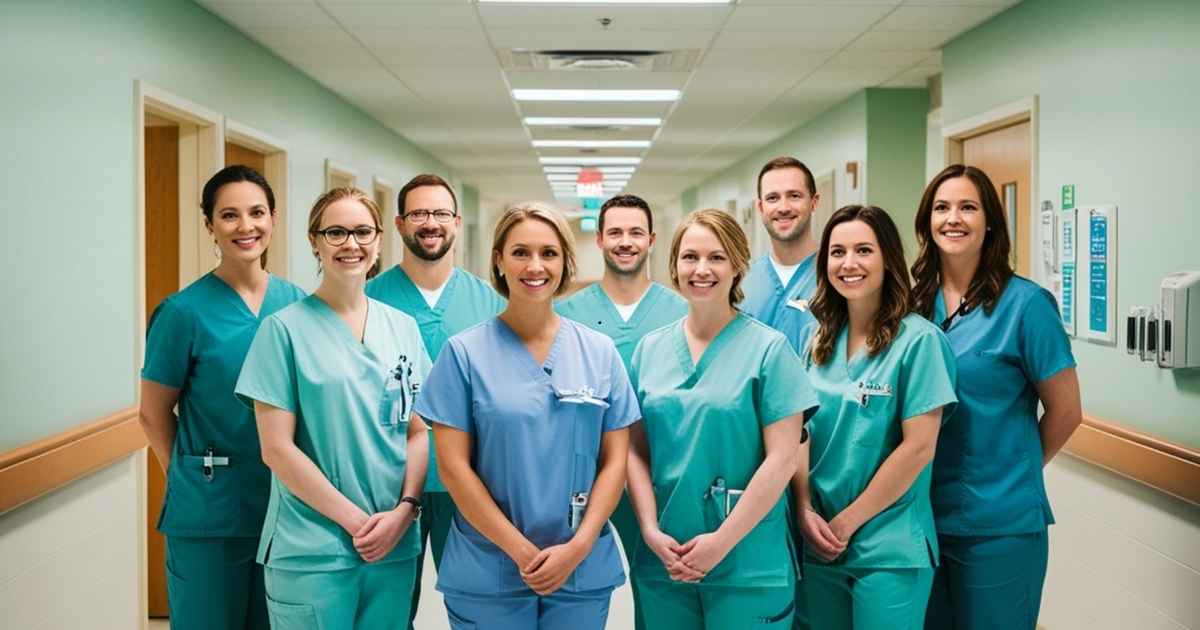
Healthcare organizations operate in environments where continuity, trust, and operational stability are paramount. When leadership transitions occur, promoting internal talent often provides smoother adaptation than hiring externally. Employees who have grown within the organization understand workflows, culture, compliance requirements, and patient expectations at a deeper level. Grooming internal talent for leadership roles strengthens succession planning and reduces the risk associated with abrupt transitions.
Internal leadership development is not accidental. It requires intentional identification of high-potential individuals, structured mentorship, and measurable growth opportunities. Practices that invest in cultivating future leaders build resilience and protect long-term performance.
Leadership continuity preserves organizational integrity.
Identifying High-Potential Team Members
The first step in grooming internal leaders involves identifying individuals who demonstrate both competence and potential. High performance alone does not guarantee leadership readiness. Candidates should display strategic thinking, communication skills, accountability, and adaptability.
For example, team members who consistently improve structured Revenue Cycle Management and Medical Billing Services outcomes may demonstrate analytical and operational insight. Individuals refining structured Charge Capture processes may show attention to compliance detail and financial awareness.
Observation, performance reviews, and peer feedback provide valuable insight into emerging leadership capability.
Recognition initiates development.
Aligning Development With Organizational Vision
Leadership grooming must align with the broader strategic direction of the practice. If the organization prioritizes digital expansion, candidates should gain exposure to platforms such as Electronic Health Records systems and structured Telehealth Services.
Alignment ensures that developing leaders acquire competencies relevant to future needs rather than outdated operational models.
Strategic coherence strengthens leadership effectiveness.
Vision shapes preparation.
Structured Mentorship Programs
Mentorship is one of the most effective tools for cultivating internal leadership. Senior leaders can share institutional knowledge, strategic insights, and practical decision-making frameworks with emerging talent.
Mentorship should be structured rather than informal. Regular meetings, defined objectives, and measurable milestones create clarity. Through mentorship, candidates gain exposure to compliance oversight, financial management, and vendor negotiations.
Clearly defined organizational differentiators often reflect disciplined systems and operational excellence. Mentorship reinforces these principles.
Guidance accelerates readiness.
Expanding Responsibilities Gradually
Leadership capability develops through progressive responsibility. High-potential employees should be entrusted with project leadership, cross-department coordination, and performance reporting tasks.
Structured Healthcare Project Management solutions initiatives provide opportunities for emerging leaders to manage timelines, coordinate teams, and resolve operational challenges.
Incremental responsibility builds confidence and competence.
Experience shapes capability.
Strengthening Financial Acumen
Future leaders must understand financial dynamics within healthcare practices. Exposure to structured Accounts Payable management processes and structured Denial Management solutions workflows builds financial literacy.
Understanding reimbursement cycles, expense oversight, and compliance implications strengthens decision-making skills. Financial transparency fosters accountability.
Financial knowledge empowers strategic leadership.
Clarity builds confidence.
Encouraging Cross-Functional Exposure
Healthcare operations involve interconnected departments. Grooming internal talent requires cross-functional experience. Employees should understand clinical workflows, billing processes, compliance obligations, and patient engagement strategies.
Rotational assignments and collaborative projects encourage broader perspective. Exposure to multiple operational layers enhances strategic thinking.
Versatility strengthens leadership readiness.
Broad understanding fosters alignment.
Building Communication and Emotional Intelligence
Effective leaders communicate clearly and empathetically. Emotional intelligence is particularly important in healthcare environments where stress and high stakes are common.
Training programs focused on conflict resolution, team motivation, and stakeholder engagement strengthen interpersonal effectiveness. Leaders must inspire trust among staff and patients alike.
Communication skills elevate technical competence.
Empathy enhances influence.
Creating Measurable Development Goals
Leadership grooming should incorporate structured objectives. SMART goals aligned with strategic priorities provide measurable progress indicators. Candidates may be tasked with reducing denial rates by a specific percentage, improving documentation accuracy, or increasing telehealth utilization within defined time frames.
Clear metrics validate readiness and highlight growth areas.
Measurement supports accountability.
Progress becomes visible.
Encouraging Continuous Education
Professional development extends beyond internal mentorship. External certifications, executive education programs, and industry conferences broaden perspective.
Participation in healthcare leadership forums exposes emerging leaders to best practices and innovative strategies.
Continuous learning supports adaptability.
Knowledge fuels evolution.
Providing Constructive Feedback
Feedback accelerates growth. Regular performance discussions should address strengths and improvement areas candidly. Constructive critique builds resilience and self-awareness.
Feedback should be specific and actionable. Vague praise or criticism lacks developmental value.
Transparency strengthens development.
Honest dialogue fosters growth.
Preparing for Formal Transition
When succession becomes imminent, formal transition planning should intensify. Emerging leaders may shadow current executives, attend strategic planning meetings, and assume incremental authority.
Clear timelines and documented responsibilities prevent ambiguity.
Structured planning ensures seamless transition.
Preparation builds confidence.
Avoiding Common Pitfalls
Organizations sometimes delay leadership grooming until departure approaches. This reactive approach limits preparation time. Another pitfall involves favoritism without objective evaluation. Leadership readiness must be assessed through measurable performance rather than tenure alone.
Discipline ensures fairness.
Intentionality prevents bias.
Cultural Benefits of Internal Promotion
Promoting internal talent reinforces organizational loyalty and morale. Employees recognize that growth opportunities exist, increasing engagement and retention.
Internal promotion also preserves institutional knowledge and reduces onboarding time.
Culture strengthens continuity.
Continuity supports performance.
Long-Term Strategic Advantage
Practices that prioritize internal leadership development build resilient organizations capable of adapting to change. Groomed leaders understand both historical context and future ambition.
Succession becomes a natural progression rather than a disruptive event.
Sustainable leadership pipelines protect legacy.
Prepared organizations thrive.
Final Thoughts
Grooming internal talent for leadership roles is a strategic investment in organizational stability and long-term growth. Through intentional identification, structured mentorship, financial exposure, cross-functional development, and measurable progress tracking, healthcare practices cultivate capable successors.
Internal leaders carry institutional knowledge forward while driving innovation responsibly.
Succession planning begins with development.
In healthcare, leadership continuity protects patient trust, operational excellence, and financial sustainability.
When internal talent is nurtured intentionally, transition becomes opportunity rather than uncertainty.
Prepared leaders shape resilient futures.
Related Posts