
Cybersecurity in Healthcare: Protecting Patient Data
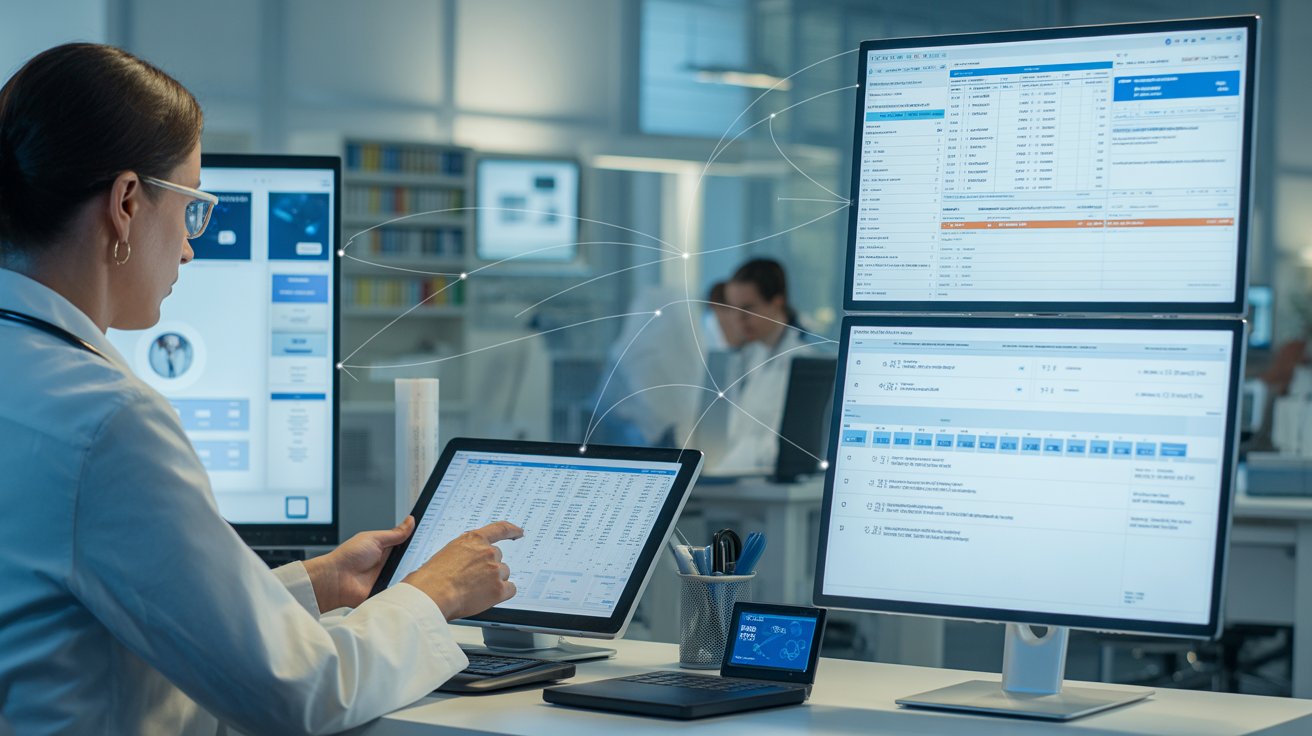
Healthcare organizations manage some of the most sensitive information in existence. Patient records contain personal identifiers, medical histories, insurance details, financial information, and diagnostic data that must remain confidential and secure. As healthcare systems become increasingly digital, the risk of cyberattacks grows proportionally. Electronic health records, telehealth platforms, billing software, and cloud storage systems all create potential entry points for malicious actors. Cybersecurity is no longer a purely technical concern handled quietly by IT departments. It is a strategic priority that directly affects patient trust, regulatory compliance, and financial stability.
When patient data is compromised, the consequences extend far beyond immediate disruption. Breaches damage reputation, invite regulatory penalties, and interrupt care delivery. In a healthcare environment where reliability is essential, cybersecurity safeguards protect not only information but also operational continuity. Strong protective measures ensure that clinics can focus on patient care rather than crisis management.
The Growing Threat Landscape
Cyber threats targeting healthcare organizations have increased significantly in both frequency and sophistication. Ransomware attacks, phishing campaigns, insider threats, and system vulnerabilities present ongoing risks. Healthcare institutions are attractive targets because of the high value of medical data on illicit markets. Unlike credit card numbers, medical records cannot simply be canceled and replaced. They contain permanent personal and clinical information that can be exploited for identity theft and fraud.
Digital expansion through integrated Electronic Health Records systems and virtual platforms increases accessibility but also broadens the attack surface. Without proper safeguards, interconnected systems may create pathways for unauthorized access. Cybersecurity must evolve alongside technological growth to protect patient privacy effectively.
The Impact of a Data Breach
A data breach disrupts more than technology systems. It erodes patient confidence. Individuals trust healthcare providers with deeply personal information, expecting that it will be handled responsibly. When that trust is violated, restoring confidence can take years. Operationally, breaches often result in system shutdowns, delayed appointments, halted billing processes, and compromised communication channels.
Financial consequences can be severe. Revenue cycles may pause while systems are restored. Structured Revenue Cycle Management and Medical Billing Services depend on uninterrupted data flow to maintain reimbursement timelines. If documentation becomes inaccessible or corrupted, claim submission delays compound financial strain.
Regulatory scrutiny following a breach may result in penalties and mandatory corrective actions. Preventive cybersecurity measures are far less costly than post incident recovery.
Core Elements of Healthcare Cybersecurity
Effective cybersecurity programs incorporate multiple layers of protection. Firewalls and endpoint security tools prevent unauthorized network access. Encryption safeguards data both in transit and at rest. Multi factor authentication strengthens login security. Continuous monitoring detects suspicious activity before it escalates.
Data backup and recovery planning ensure operational continuity during unexpected disruptions. If ransomware encrypts primary systems, secure backups allow rapid restoration. Proactive Denial Management solutions rely on accessible documentation to resolve claim disputes efficiently, underscoring the importance of secure data storage.
Cybersecurity requires a comprehensive strategy rather than isolated tools. Integrated safeguards protect every layer of digital infrastructure.
Compliance and Regulatory Responsibility
Healthcare providers operate under strict regulatory requirements related to patient privacy and data protection. Compliance with privacy laws mandates secure storage, controlled access, and comprehensive audit trails. Failure to maintain adequate safeguards exposes organizations to legal consequences and reputational damage.
Financial systems such as structured Accounts Payable management platforms must align with clinical documentation systems to maintain secure and consistent audit records. Compatibility and centralized oversight reduce compliance risk.
Cybersecurity programs must integrate regulatory standards into daily operations. Protection is not optional. It is mandated responsibility.
Securing Telehealth and Remote Access
The expansion of virtual care has improved accessibility but introduced additional security considerations. Platforms supporting structured Telehealth Services must utilize encrypted communication channels to prevent unauthorized interception. Remote access protocols must enforce strict authentication measures to prevent credential theft.
As more providers work remotely or access systems through mobile devices, endpoint protection becomes essential. Each device connected to the network represents a potential vulnerability. Comprehensive monitoring ensures that remote activity aligns with security policies.
Telehealth innovation must be balanced with cybersecurity vigilance.
Staff Awareness and Human Risk Factors
Technology safeguards are only part of cybersecurity defense. Human error remains a leading cause of breaches. Phishing emails, weak passwords, and accidental data sharing can bypass even sophisticated systems. Staff education is critical to strengthening the human layer of defense.
Regular training sessions help employees recognize suspicious communications and follow secure data handling practices. Clear policies define acceptable usage standards. Leadership commitment reinforces the importance of vigilance.
Clearly defined organizational differentiators often include coordinated operational systems and strong compliance frameworks, both of which depend on cybersecurity awareness.
Human behavior influences technological resilience.
Proactive Security Assessments
Routine security assessments identify vulnerabilities before attackers exploit them. These evaluations examine network configurations, firewall settings, access controls, encryption protocols, and software updates. Weaknesses are documented and prioritized for remediation.
Structured Healthcare Project Management solutions can coordinate security upgrades and ensure minimal disruption during implementation. Proactive assessments prevent reactive crisis response.
Cybersecurity is not a one time installation. It requires continuous evaluation.
The Financial Case for Cybersecurity Investment
Investing in cybersecurity protects revenue stability. Downtime resulting from cyber incidents interrupts billing processes and delays reimbursement. Accurate Charge Capture processes depend on secure and reliable systems.
Preventive measures cost significantly less than breach recovery. Recovery often includes forensic investigations, legal fees, regulatory penalties, system restoration, and reputation repair efforts.
Cybersecurity investment should be viewed as operational insurance. It safeguards both patient trust and financial sustainability.
Building a Culture of Security
Cybersecurity is strongest when embedded into organizational culture. Leadership must communicate its importance clearly and consistently. Policies should be accessible and understandable. Employees should feel empowered to report suspicious activity without hesitation.
Security culture encourages accountability and continuous improvement. When staff view cybersecurity as part of patient care responsibility, adherence improves.
Technology and culture must align for effective protection.
Long Term Strategic Protection
Healthcare technology will continue to evolve. Artificial intelligence, cloud based analytics, remote monitoring, and integrated patient portals expand digital capabilities. Each advancement introduces new security considerations.
Long term cybersecurity strategy must anticipate future growth. Infrastructure upgrades, vendor evaluations, and system expansions should incorporate security requirements from the outset.
Cybersecurity is not static. It evolves alongside innovation.
Final Thoughts
Cybersecurity in healthcare is about more than preventing data theft. It is about protecting patient trust, ensuring regulatory compliance, maintaining operational continuity, and safeguarding financial performance. Digital systems power modern care delivery, and their security determines overall resilience.
Comprehensive protection requires layered safeguards, proactive assessments, staff education, and strategic oversight. When cybersecurity measures align with clinical and administrative systems, healthcare organizations operate confidently.
Patient data deserves the highest level of protection. Strong cybersecurity ensures that sensitive information remains secure while enabling seamless care delivery.
In today’s digital healthcare environment, safeguarding data is inseparable from delivering quality care. Protecting patient information is not simply an IT objective. It is a fundamental responsibility that supports trust, stability, and long term success.
Related Posts