Ransomware: The Biggest Threat to Modern Medical Practices
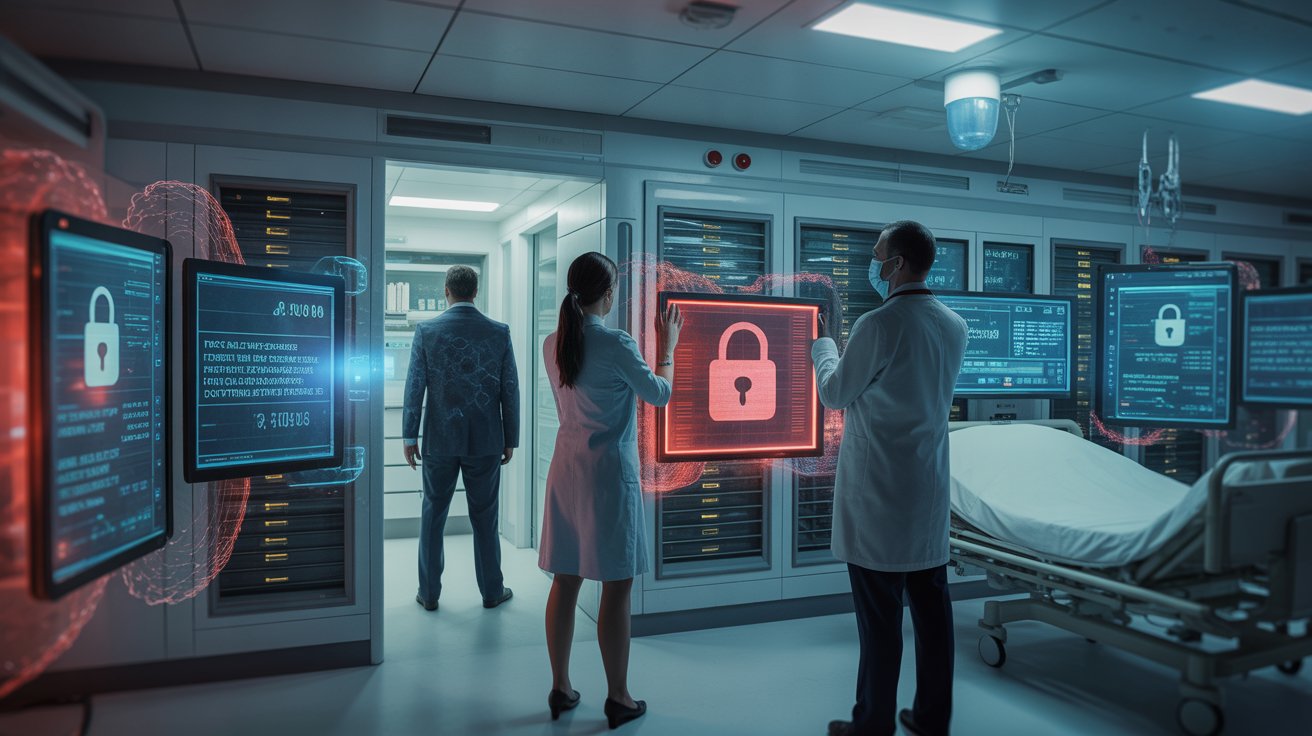
Ransomware has emerged as one of the most dangerous cybersecurity threats facing healthcare organizations today. Unlike traditional data breaches that focus on stealing information quietly, ransomware attacks disrupt operations immediately by encrypting critical systems and demanding payment for restoration. For medical practices that depend heavily on digital infrastructure, such disruption can paralyze clinical workflows, halt billing processes, and jeopardize patient safety.
Healthcare organizations have become prime targets because of the urgency inherent in medical care. Attackers understand that hospitals and clinics cannot afford prolonged downtime. The pressure to restore access quickly makes healthcare entities more vulnerable to ransom demands. As digital systems expand through integrated Electronic Health Records systems, telehealth platforms, and billing software, the attack surface widens. Without proactive safeguards, ransomware can infiltrate and spread rapidly.
The rise in frequency and sophistication of ransomware campaigns underscores the need for vigilance. Modern medical practices must treat ransomware prevention as a core operational priority rather than a secondary IT concern.
How Ransomware Attacks Work
Ransomware attacks typically begin with phishing emails, malicious downloads, or compromised credentials. A single click on a deceptive link can introduce malware into a network. Once inside, the malicious software encrypts files and systems, rendering them inaccessible. Attackers then demand payment, often in cryptocurrency, in exchange for decryption keys.
In healthcare settings, encrypted systems may include scheduling software, clinical documentation platforms, imaging databases, and billing applications. Structured Revenue Cycle Management and Medical Billing Services depend on uninterrupted access to documentation and claim data. When ransomware locks these systems, revenue cycles stall immediately.
The operational shock is swift and severe. Appointments may be canceled. Patient records may be inaccessible. Communication channels may fail. Even if ransom is paid, there is no guarantee that data will be fully restored or that attackers will not retain copies of sensitive information.
Why Healthcare Is a Prime Target
Medical practices represent attractive targets for ransomware groups for several reasons. First, healthcare data is highly valuable. Patient records contain identifiers that can be exploited for identity theft and fraud. Second, healthcare operations are time sensitive. Providers cannot delay care indefinitely while systems remain offline. Attackers exploit this urgency.
Additionally, many healthcare organizations operate with legacy systems that may not receive regular security updates. Smaller clinics often lack dedicated cybersecurity teams, making them more susceptible to vulnerabilities. Expansion into virtual care through structured Telehealth Services introduces additional digital entry points that require protection.
The combination of valuable data, operational urgency, and uneven cybersecurity maturity creates an environment that ransomware groups actively exploit.
The Immediate Operational Impact
When ransomware strikes, disruption occurs instantly. Providers may lose access to patient charts mid appointment. Front desk staff may be unable to verify insurance eligibility. Billing teams may lose access to claims awaiting submission. Proactive Denial Management solutions rely on historical documentation to resolve payer disputes, and if those records are encrypted, resolution becomes impossible.
Downtime often forces clinics to revert to manual processes temporarily. Paper documentation may replace electronic systems. Appointment scheduling may be conducted through phone calls and handwritten logs. These stopgap measures are inefficient and prone to error.
The longer systems remain offline, the greater the operational strain. Recovery costs increase with each hour of disruption.
Financial and Reputational Consequences
Beyond immediate workflow interruptions, ransomware attacks impose significant financial consequences. Revenue may decline sharply due to canceled appointments and delayed claims. Accurate Charge Capture processes depend on real time documentation, and interruptions can result in lost or incomplete billing.
Regulatory penalties may follow if patient data is compromised. Legal fees, forensic investigations, and system restoration expenses compound quickly. Additionally, patient trust can erode. Individuals expect healthcare providers to safeguard their personal information diligently.
Clearly defined organizational differentiators often emphasize reliability and coordinated systems. A ransomware incident undermines these strengths and may influence patient retention decisions.
Rebuilding trust requires transparency and sustained effort.
Prevention Through Layered Security
Preventing ransomware requires a layered defense strategy. Firewalls and endpoint detection systems monitor incoming traffic for suspicious activity. Multi factor authentication reduces the likelihood of credential compromise. Encryption safeguards sensitive data even if attackers gain access.
Regular software updates patch known vulnerabilities. Network segmentation limits the spread of malware if infiltration occurs. Secure data backups ensure that encrypted files can be restored without paying ransom.
Financial platforms such as structured Accounts Payable management systems must also be secured, as attackers often seek access to financial records.
Layered protection reduces exposure and strengthens resilience.
The Importance of Backup and Recovery Planning
Comprehensive backup strategies are critical to mitigating ransomware impact. Backups should be stored securely and isolated from primary networks to prevent simultaneous encryption. Regular testing ensures that restoration processes function effectively.
Without reliable backups, organizations may feel pressured to pay ransom. With secure backup systems, recovery becomes feasible without capitulating to attacker demands.
Structured Healthcare Project Management solutions can coordinate disaster recovery planning and ensure minimal disruption during system restoration.
Preparation transforms crisis into manageable challenge.
Staff Education as a Defense Mechanism
Human error remains a leading cause of ransomware infiltration. Phishing emails designed to mimic legitimate communications often trick employees into clicking malicious links. Comprehensive staff education reduces susceptibility.
Training programs should teach employees to recognize suspicious attachments, verify unusual requests, and report potential threats promptly. Security awareness must become part of organizational culture rather than an occasional reminder.
Empowered employees act as the first line of defense.
Monitoring and Continuous Assessment
Ransomware prevention requires continuous monitoring. Security tools should analyze network activity for unusual behavior patterns. Early detection allows swift isolation of compromised systems before widespread encryption occurs.
Routine assessments evaluate firewall configurations, access controls, and endpoint protection performance. Security posture must evolve alongside emerging threats.
Compatibility between clinical and financial systems must also be reviewed to ensure consistent security enforcement across platforms.
Continuous vigilance strengthens defense.
Long Term Strategic Protection
Healthcare organizations must adopt a long term perspective on ransomware prevention. As digital systems expand, integration points increase. Each new platform introduces potential vulnerability.
Security planning should accompany technological innovation. Before implementing new tools or expanding service lines, evaluate security implications thoroughly.
Investment in cybersecurity infrastructure protects not only data but also operational continuity and financial stability.
Strategic foresight prevents reactive crisis management.
Final Thoughts
Ransomware represents the most significant cybersecurity threat facing modern medical practices. Its ability to halt operations instantly and compromise sensitive data makes it uniquely dangerous.
The impact extends beyond encrypted files. Patient care is delayed. Revenue cycles are interrupted. Compliance risk increases. Trust erodes.
Preventing ransomware requires layered safeguards, secure backups, staff education, continuous monitoring, and strategic planning. Organizations that prioritize cybersecurity resilience protect both their patients and their future.
In today’s digital healthcare environment, ransomware preparedness is not optional. It is essential for maintaining operational stability and safeguarding patient information.
By strengthening defenses and fostering a culture of vigilance, medical practices can reduce risk and respond effectively if threats emerge.
Cybersecurity is inseparable from quality care. Protecting systems protects patients.
Related Posts