Patient Engagement: Keeping Consumers Within Your System
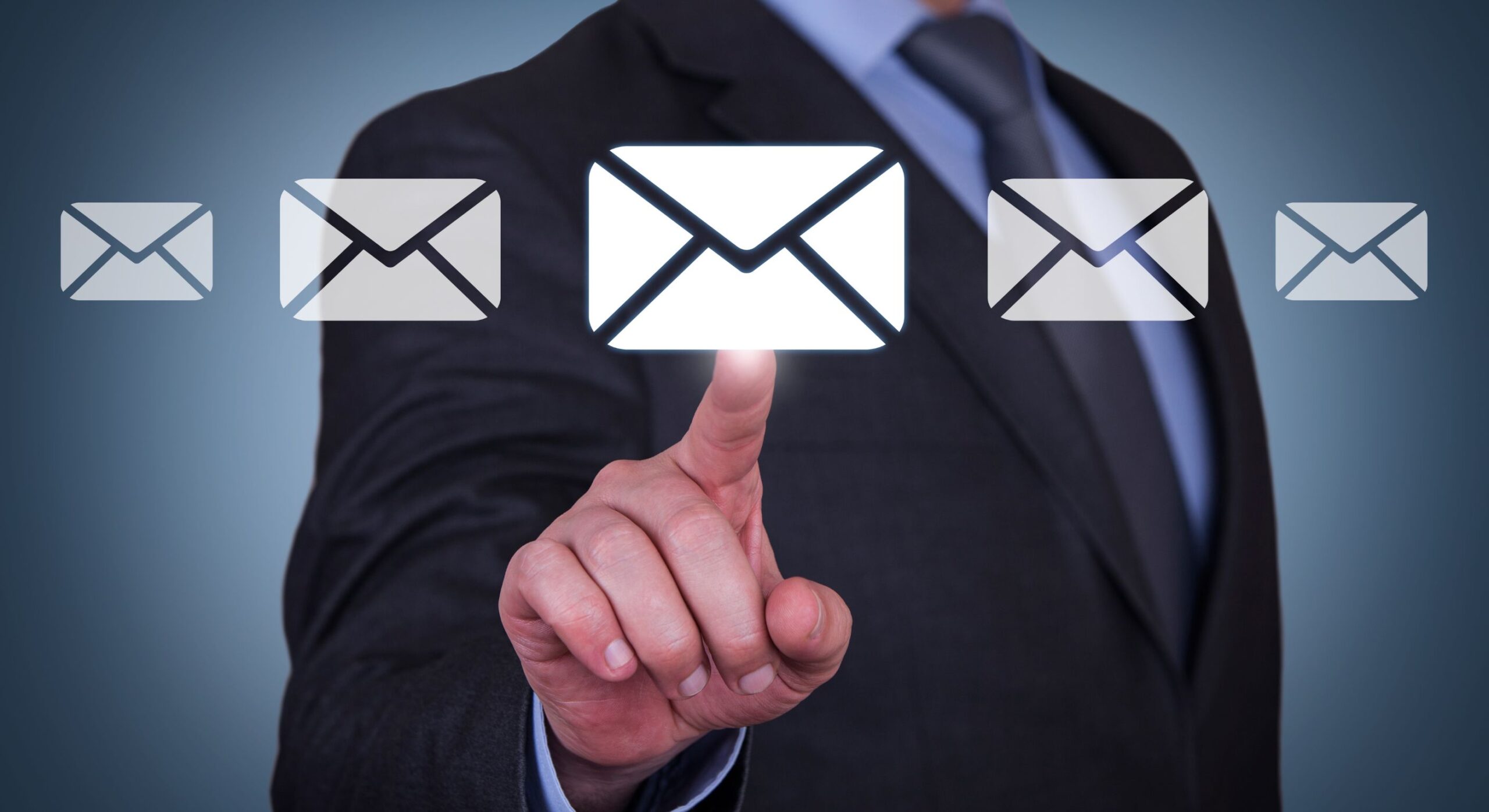
Email Marketing: Newsletters and Health Tips to Stay Top-of-Mind
In today’s competitive healthcare environment, maintaining strong patient relationships goes far beyond office visits. Patients want consistent communication, educational resources, and reminders that show providers genuinely care about their well-being.
One of the most effective ways healthcare organizations can stay connected with patients is through email marketing. Well-crafted newsletters and health tips help practices remain visible, build trust, and encourage patient engagement throughout the year.
For healthcare providers, email marketing is not just a promotional tool — it is an opportunity to educate, strengthen loyalty, and improve the overall patient experience.
Why Email Marketing Matters in Healthcare
Patients are constantly receiving information from multiple healthcare providers, insurance companies, pharmacies, and wellness platforms. Staying top-of-mind requires regular, meaningful communication.
Email marketing helps healthcare organizations:
- Strengthen patient relationships
- Improve patient retention
- Promote preventive care
- Increase appointment scheduling
- Share important health updates
- Educate patients about services
- Encourage healthier lifestyles
Healthcare providers that communicate consistently often build stronger trust and long-term patient loyalty.
Organizations focused on improving operational efficiency and patient engagement can benefit from integrated healthcare support solutions like those offered through Max Health’s healthcare services.
Educational Content Builds Patient Trust
Patients value healthcare providers who offer reliable, easy-to-understand information. Educational newsletters position practices as trusted resources rather than just service providers.
Helpful email topics may include:
- Seasonal wellness tips
- Preventive care reminders
- Chronic disease management advice
- Telehealth guidance
- Nutrition and fitness recommendations
- Medication adherence tips
- Mental health awareness content
Providing educational value helps patients remain connected to the practice even when they are not actively seeking treatment.
Healthcare organizations offering telehealth services can also use newsletters to educate patients about virtual care options and remote appointment accessibility.
Consistent Communication Improves Patient Retention
Many healthcare practices focus heavily on acquiring new patients while overlooking retention strategies. Regular email communication helps strengthen patient loyalty by keeping practices visible between visits.
Patients who regularly receive valuable updates are more likely to:
- Schedule annual checkups
- Follow treatment plans
- Return for follow-up visits
- Refer family and friends
- Stay engaged with preventive care
Email newsletters help practices maintain long-term relationships that contribute to both better patient outcomes and stable revenue growth.
Promoting Preventive Care Through Newsletters
Preventive care remains one of the most important aspects of modern healthcare. However, many patients delay screenings, annual exams, and follow-up appointments simply because they forget.
Email campaigns can remind patients about:
- Vaccinations
- Wellness exams
- Screenings
- Preventive testing
- Chronic condition monitoring
- Follow-up appointments
Automated reminders improve patient compliance while reducing missed care opportunities.
Healthcare organizations with strong operational systems such as Electronic Health Record (EHR) solutions can streamline patient communication workflows and maintain more organized outreach campaigns.
Personalization Improves Engagement
Generic mass emails often fail to capture attention. Personalized messaging creates a more meaningful patient experience and improves engagement rates.
Healthcare organizations can personalize newsletters by:
- Age group
- Specialty care needs
- Appointment history
- Chronic conditions
- Wellness goals
- Geographic location
For example, pediatric patients may receive school wellness reminders, while older patients may receive preventive screening information.
Personalized communication helps patients feel understood and valued by their healthcare provider.
Email Marketing Supports Telehealth Growth
Telehealth continues to reshape healthcare accessibility. Many patients are still learning how virtual healthcare works and when to use it.
Email campaigns can educate patients about:
- Scheduling virtual appointments
- Preparing for telehealth visits
- Benefits of remote care
- Technology requirements
- Follow-up care procedures
Practices offering telehealth solutions can use newsletters to increase awareness and encourage adoption among existing patients.
This approach helps improve patient convenience while expanding access to care.
Newsletters Can Reduce Administrative Burden
Effective patient communication can also improve operational efficiency. Many common patient questions can be answered proactively through regular newsletters and educational campaigns.
Topics such as billing procedures, insurance updates, appointment scheduling, and patient portal access can reduce inbound administrative inquiries.
Healthcare organizations that use structured operational systems like medical billing services and patient statement solutions often create smoother communication experiences for patients.
When patients better understand financial processes and care procedures, overall satisfaction improves.
Compliance and Data Security Are Essential
Healthcare email marketing requires careful attention to compliance and patient privacy regulations. Practices must ensure they follow HIPAA guidelines when sending communications that may involve patient information.
Healthcare organizations should:
- Obtain patient consent
- Use secure email platforms
- Avoid sharing sensitive information
- Maintain updated contact databases
- Monitor communication permissions
Strong operational management and secure healthcare workflows play a major role in maintaining compliance standards.
Organizations that invest in professional healthcare infrastructure and healthcare project management solutions are often better equipped to manage patient communication securely and efficiently.
Email Marketing and Revenue Cycle Performance
Patient communication directly impacts revenue cycle performance. Appointment reminders, billing notifications, and follow-up communication can reduce missed appointments and accelerate collections.
Effective communication strategies support:
- Faster payment cycles
- Reduced claim delays
- Improved patient satisfaction
- Better appointment adherence
- Lower administrative costs
Healthcare organizations focused on financial performance may also benefit from services like denial management and charge capture solutions to strengthen revenue cycle efficiency alongside patient engagement efforts.
Building a Long-Term Patient Relationship Strategy
Successful healthcare marketing is not about aggressive promotion. It is about building trust through consistent, valuable communication.
Patients want healthcare providers who educate, support, and engage with them beyond clinical visits. Email newsletters create ongoing touchpoints that strengthen relationships over time.
Practices can build stronger communication strategies by:
- Sending monthly wellness newsletters
- Sharing provider insights
- Highlighting healthcare updates
- Promoting seasonal health campaigns
- Offering preventive care reminders
- Encouraging patient feedback
Healthcare organizations that prioritize patient communication often create stronger brand loyalty and improved patient satisfaction.
Choosing the Right Healthcare Support Partner
Managing healthcare communication, operational workflows, and patient engagement requires a coordinated approach. Providers need systems that support both clinical excellence and administrative efficiency.
Organizations looking to improve healthcare operations and patient communication can explore the broad range of solutions available through Max Health.
Healthcare providers can also learn more about the company’s approach and values by visiting About Max Health and reviewing their differentiators.
Final Thoughts
Email marketing remains one of the most cost-effective and impactful ways healthcare providers can stay connected with patients. Educational newsletters, wellness tips, appointment reminders, and preventive care updates help practices remain trusted healthcare partners throughout the patient journey.
When supported by strong operational systems and patient-focused communication strategies, email marketing can improve engagement, strengthen loyalty, and contribute to better healthcare outcomes.
Healthcare organizations seeking to modernize patient communication and operational efficiency can explore the comprehensive healthcare solutions available through Max Health’s service offerings.
Related Posts