
Space Planning: Optimizing Your Office Layout for New Equipment
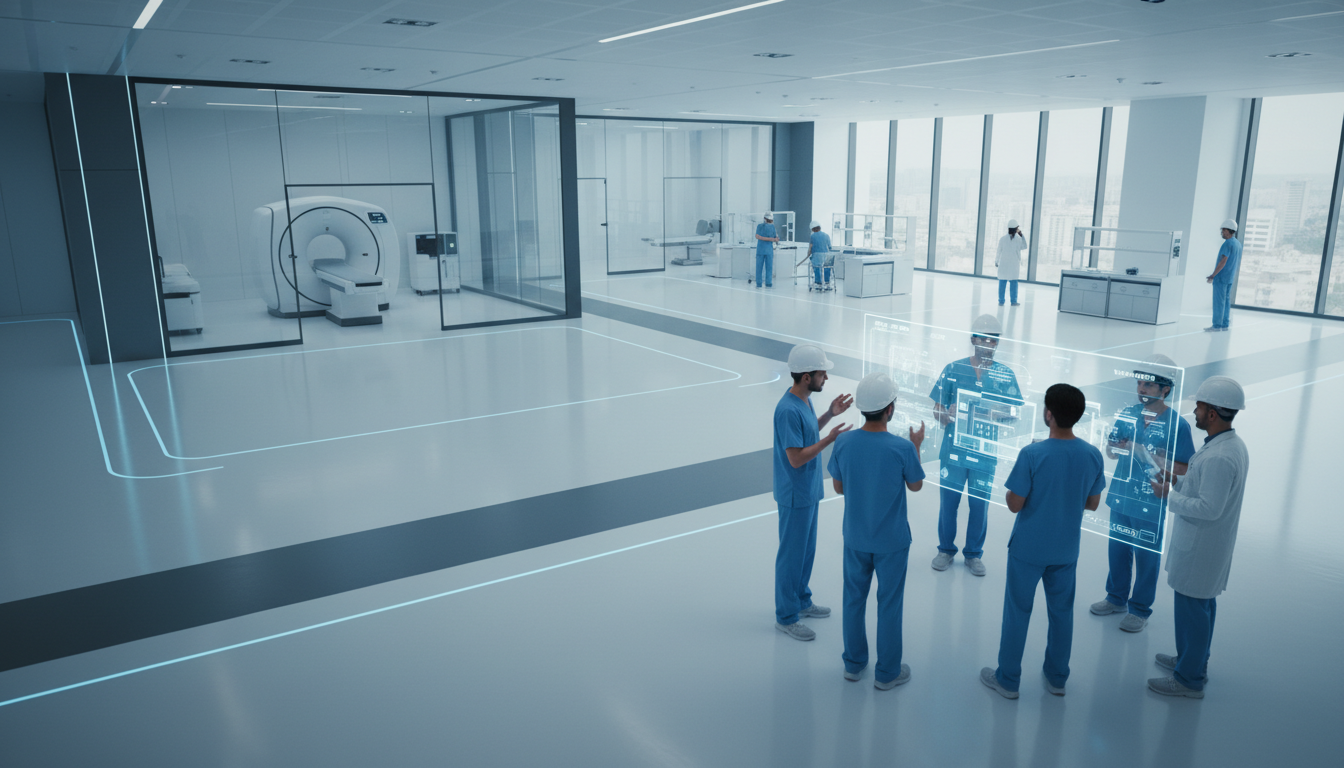
Expanding into new service lines often requires more than staff training and financial planning. Physical space plays a critical role in successful implementation. Whether introducing diagnostic imaging, laboratory equipment, therapy stations, or remote monitoring coordination areas, the way your office is structured directly affects workflow efficiency, patient experience, and operational safety.
Many practices underestimate how disruptive poor space planning can be. Crowded hallways, congested waiting areas, inefficient equipment placement, and inadequate privacy can create daily friction that slows productivity and frustrates patients.
Space planning is not simply about fitting new equipment into available square footage. It is about designing an environment that supports efficiency, compliance, and growth.
When office layout is optimized strategically, new services enhance operations rather than disrupt them.
Why Physical Layout Impacts Workflow
Healthcare workflows rely on smooth movement between registration, examination rooms, diagnostic areas, and check out stations. Introducing new equipment without rethinking physical flow can create bottlenecks.
For example, adding imaging equipment near a busy hallway may cause congestion. Placing laboratory stations far from exam rooms increases staff travel time. Limited storage for supplies can lead to clutter and safety risks.
Operational efficiency depends on thoughtful design.
Strong Revenue Cycle Management and Medical Billing Services protect financial performance, but physical inefficiencies can still undermine productivity.
Optimizing layout ensures that expanded services operate seamlessly within daily routines.
Begin With a Workflow Mapping Exercise
Before rearranging furniture or ordering equipment, conduct a workflow mapping exercise.
Observe how patients currently move through your space. Track staff steps during typical appointments. Identify areas where delays or congestion already occur.
Ask key questions:
- Where do patients wait the longest?
- Which corridors experience heavy traffic?
- How far do staff walk between key stations?
- Where does documentation occur?
Mapping current flow reveals opportunities for improvement before adding complexity.
Strategic planning prevents reactive redesign later.
Transparency as the Foundation of Trust
Trust determines whether patients accept additional recommendations.
Providers must clearly explain why a service is needed, how it benefits the patient, and what financial responsibility may apply.
Organized Patient Statement services improve billing transparency, reducing confusion that might otherwise create skepticism.
When patients understand both the clinical rationale and cost structure, they are more likely to proceed confidently.
Ethical communication transforms upselling into collaborative decision making.
Assess Equipment Requirements Carefully
Different service lines require different spatial considerations.
Imaging equipment may require reinforced flooring, shielding, or specific electrical capacity. Laboratory equipment may need ventilation, refrigeration, and biohazard storage. Therapy services may require open movement areas and privacy partitions.
Consult vendor specifications early.
Integrated Healthcare Project Management solutions can coordinate contractor timelines, compliance standards, and equipment installation planning.
Ignoring infrastructure requirements can lead to costly adjustments after installation.
Preparation protects both safety and workflow continuity.
Protect Patient Privacy and Comfort
Space planning must prioritize patient dignity and comfort.
New diagnostic areas should offer appropriate privacy. Soundproofing may be necessary for sensitive conversations or procedures. Waiting areas should remain calm and organized even as service volume increases.
Transparent financial discussions supported by structured Patient Statement services should occur in private settings to protect confidentiality.
Comfort influences perception.
When patients feel secure and respected, satisfaction improves.
Reduce Staff Travel Time
One of the most overlooked aspects of layout optimization is minimizing unnecessary staff movement.
If laboratory supplies are stored far from exam rooms, providers lose valuable minutes each day. If printers or documentation stations are poorly positioned, efficiency declines.
Integrated Electronic Health Records systems should be accessible at logical points within patient flow.
Reducing travel distance improves productivity and reduces fatigue.
Efficiency supports both morale and revenue.
Design for Safety and Compliance
Healthcare spaces must meet safety standards related to infection control, radiation shielding, ventilation, and emergency access.
When introducing new equipment, ensure pathways remain clear for emergency response. Maintain appropriate spacing between stations. Store hazardous materials properly.
Proactive Denial Management solutions may identify compliance related documentation gaps, but physical non compliance can create more serious consequences.
Safety planning must be integrated into layout decisions from the beginning.
Compliance protects both patients and the practice.
Plan for Scalability
Space planning should consider future growth.
Avoid designing layouts that only accommodate minimal current demand. If service utilization increases, will your office support expanded scheduling?
Flexible furniture arrangements, modular partitions, and multi use rooms allow adaptation without major reconstruction.
Balanced oversight including structured Accounts Payable management ensures that renovations and equipment investments align with financial capacity.
Strategic foresight prevents expensive redesign later.
Coordinate Scheduling With Physical Space
Physical layout and scheduling strategy must align.
If new equipment occupies a single room, appointment timing should prevent hallway congestion. Dedicated time blocks may reduce overlap.
Accurate Charge Capture processes ensure services performed in new spaces are documented properly without adding confusion.
Operational coordination between physical space and scheduling protects workflow stability.
Design and scheduling are interconnected.
Involve Staff in Design Decisions
Frontline staff understand workflow realities better than anyone.
Before finalizing layout changes, gather feedback from clinical and administrative team members. Ask where inefficiencies currently occur and what improvements they suggest.
Clearly defined organizational differentiators often include collaborative planning and coordinated care.
When staff feel involved, buy in increases.
Engagement strengthens implementation success.
Minimize Disruption During Renovation
Renovations can disrupt daily operations if not planned carefully.
Schedule construction during off hours when possible. Communicate timelines clearly to staff and patients. Design temporary pathways to maintain accessibility.
Professional project coordination through structured Healthcare Project Management solutions helps prevent extended downtime.
Minimizing disruption protects both patient experience and revenue flow.
Planning reduces stress.
Integrate Technology Thoughtfully
Technology infrastructure must align with physical layout.
Ensure reliable network connectivity in new service areas. Provide adequate electrical outlets and charging stations. Avoid trailing cables that create safety hazards.
Expansion of virtual care through structured Telehealth Services may require dedicated quiet rooms for remote consultations.
Technology should support movement, not obstruct it.
Intentional placement prevents operational headaches.
Evaluate Performance After Implementation
Once new equipment is operational, observe daily flow carefully.
Track metrics such as:
- Appointment duration
- Patient wait times
- Staff travel patterns
- Room utilization rates
- Patient satisfaction feedback
If congestion appears, adjust layout or scheduling accordingly.
Continuous evaluation ensures space remains supportive rather than restrictive.
Flexibility is key.
Avoid Common Layout Mistakes
Several common mistakes undermine effective space planning.
- Overcrowding rooms with excessive equipment
- Ignoring hallway width requirements
- Neglecting storage capacity
- Failing to separate clean and contaminated areas
- Underestimating power and ventilation needs
Avoiding these pitfalls prevents costly redesign and operational frustration.
Thoughtful planning reduces risk.
Align Space Planning With Strategic Vision
Physical design should reflect broader goals. If your practice aims to improve chronic disease management, ensure monitoring equipment is accessible and organized. If imaging expansion is a priority, dedicate space that supports efficiency and privacy.
Strategic alignment ensures space serves purpose rather than simply housing equipment.
Design should reinforce mission.
Final Thoughts
Space planning is more than interior design. It is operational strategy. Optimizing your office layout for new equipment protects workflow, enhances safety, and improves patient experience. When space is designed intentionally, staff move efficiently, patients feel comfortable, and services integrate smoothly. Successful expansion requires alignment between physical layout, scheduling systems, technology infrastructure, and financial oversight.
Growth does not have to create chaos. With careful planning, new service lines become a seamless extension of existing operations. Well designed spaces support coordinated care, strengthen revenue performance, and sustain long term efficiency. Healthcare practices that prioritize layout optimization position themselves for resilient and organized growth.
In expansion, environment matters.
Design it thoughtfully, and your workflow will follow.
Related Posts