Healthcare is becoming increasingly competitive. Patients have more choices than ever before, and they are no longer selecting providers based solely on clinical reputation. Convenience, efficiency, communication, and overall experience now play a major role in decision making. In this environment, patient retention is just as important as patient acquisition.
One of the most powerful strategies for improving retention is adopting the one stop shop model.
The one stop shop model refers to integrating multiple healthcare services within a single practice so patients can receive comprehensive care without being referred to outside facilities. Instead of sending patients elsewhere for lab work, imaging, therapy, or follow up services, everything is coordinated under one operational system.
This approach improves satisfaction, strengthens loyalty, and significantly increases lifetime patient value.
Understanding how the one stop shop model enhances retention can help practices build stronger and more sustainable growth strategies.
Why Patient Retention Matters More Than Ever
Attracting new patients requires marketing investment, outreach efforts, and competitive positioning. Losing existing patients due to inconvenience or fragmented care is costly.
Retained patients generate:
- Recurring visit revenue
- Preventive care utilization
- Chronic condition management services
- Higher lifetime value
- Word of mouth referrals
Retention is not accidental. It is built through consistent positive experiences.
When care feels fragmented or inefficient, patients may explore alternatives. A practice that simplifies the healthcare journey earns long term loyalty.
Convenience as a Competitive Advantage
Patients value time. Multiple appointments at different facilities create stress and scheduling challenges. Long turnaround times for diagnostic results increase anxiety.
The one stop shop model eliminates unnecessary friction.
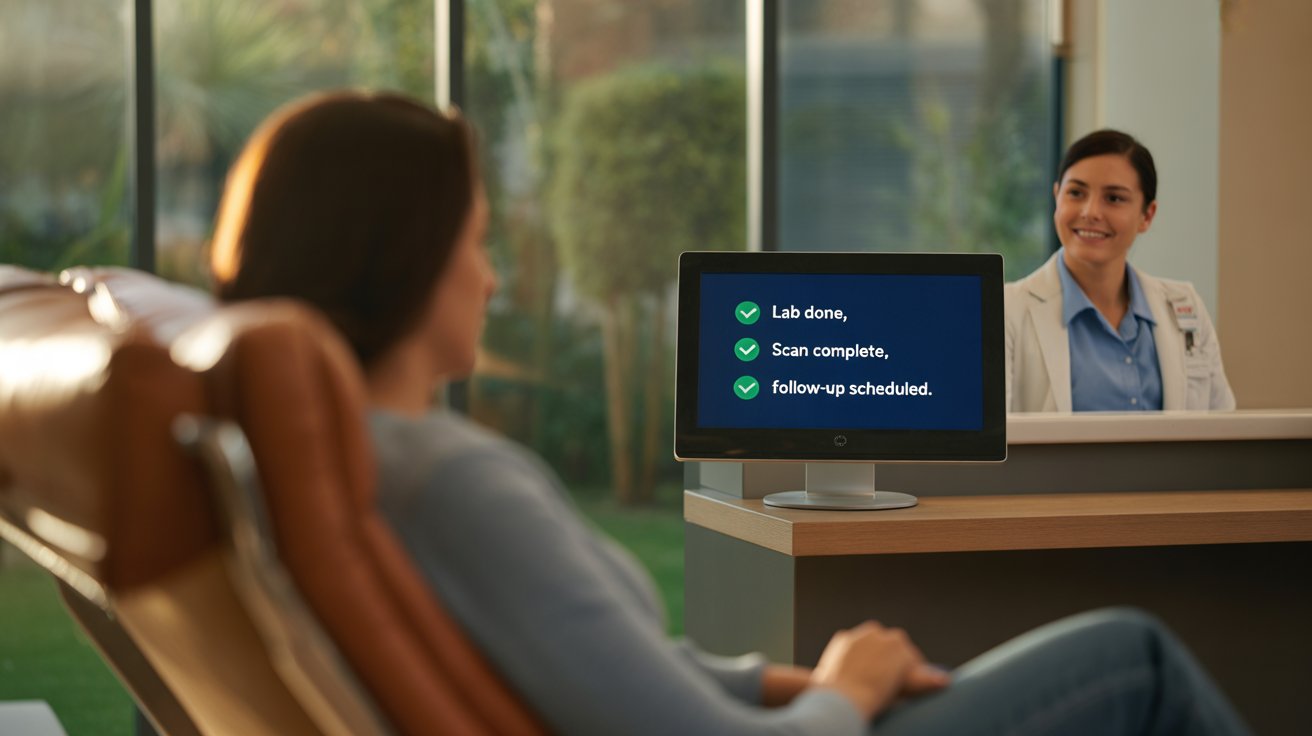
Imagine a patient who visits your practice for evaluation and completes lab testing the same day. Imaging is performed onsite. Results are reviewed quickly. A follow up plan is discussed without delay.
That seamless experience builds trust.
Convenience communicates respect for the patient’s time and wellbeing.
Reducing Referral Leakage
External referrals create vulnerability.
When a patient is sent outside your practice for imaging or therapy, there is always a possibility they will continue care elsewhere. Even if that risk seems small, it compounds over time.
Referral leakage reduces revenue and weakens continuity of care.
By integrating services internally, practices maintain control over the patient journey. Diagnostic data remains within the system. Follow up visits are scheduled promptly. Communication stays consistent.
Strong Revenue Cycle Management and Medical Billing Services ensure that these integrated services are reimbursed accurately, protecting the financial benefits of retention.
Keeping services in house strengthens both revenue and relationships.
Faster Diagnosis and Treatment
Speed matters in healthcare. Waiting days or weeks for external results can delay treatment decisions.
When labs and imaging are performed onsite, providers can access results quickly. Faster decision making improves outcomes and enhances patient confidence.
Integrated Electronic Health Records systems further support efficient communication between departments.
Patients appreciate responsiveness. It reduces anxiety and reinforces trust.
Strengthening Care Coordination
Fragmented care often leads to duplicated tests, miscommunication, and incomplete documentation.
The one stop shop model reduces these risks.
When services operate under one administrative and clinical structure, coordination improves. Shared systems ensure accurate records. Clear communication prevents confusion.
Proactive Denial Management solutions also protect revenue when claims encounter payer resistance.
Improved coordination enhances both clinical outcomes and financial performance.
Enhancing Patient Satisfaction
Patient satisfaction is directly linked to retention.
Integrated services create a smoother journey from diagnosis to treatment. Fewer appointments at outside facilities mean less frustration.
Clear billing processes supported by organized Patient Statement services improve financial transparency.
When patients understand both their care plan and financial responsibility, confidence grows.
Satisfied patients return and recommend your practice to others.
Building Long Term Loyalty
Retention is built on consistent positive interactions.
When patients repeatedly experience efficient scheduling, coordinated care, and accessible services, they are less likely to explore other providers.
Over time, this loyalty increases lifetime patient value.
Integrated services create deeper engagement because patients rely on your practice for multiple aspects of care rather than isolated visits.
Operational Benefits for Staff and Providers
The one stop shop model benefits internal teams as well.
Centralized services streamline workflows. Staff coordinate within one system rather than managing external communications. Providers receive information faster.
This efficiency reduces administrative burden and improves morale.
Structured Healthcare Project Management solutions can support implementation and ensure smooth integration of new services.
Operational alignment strengthens overall performance.
Positioning Your Practice for the Future
Healthcare is shifting toward value based reimbursement and patient centered models. Practices that prioritize integration align with these trends.
Offering comprehensive services demonstrates innovation and stability.
Clearly defined organizational differentiators help communicate this value to patients and partners.
The one stop shop model is not just about convenience. It is about strategic positioning in a competitive market.
Final Thoughts
Patient retention is one of the most powerful drivers of sustainable growth.
The one stop shop model strengthens retention by improving convenience, reducing referral leakage, accelerating diagnosis, and enhancing satisfaction.
Integrated services build trust and deepen patient relationships.
Practices that simplify the healthcare journey create lasting loyalty.
In a market where patients have more options than ever, convenience and coordination determine who they choose to stay with.
The one stop shop model provides a clear pathway to stronger retention and long term success.